Science
Darkness unlocks more ordered nanotubes in light-responsive molecular assemblies, study suggests
Life on Earth has evolved under an uninterrupted rhythm of day and night.

Section
Research, discovery and the cosmos explained.
Life on Earth has evolved under an uninterrupted rhythm of day and night.
A new fluorescent reporter capable of visualizing biologically active iron and oxygen inside living cells at single-cell resolution has been developed, as reported by researchers from Science Tokyo.
A new study found that chronic wasting disease can sometimes spread silently, with infectious prions present even in animals that show no symptoms.
Plausible answers range from 17 to — in all seriousness — 995.5.
Anton Petrov reviews fresh research on how complex molecules — and life — may have formed before cellular structures existed.
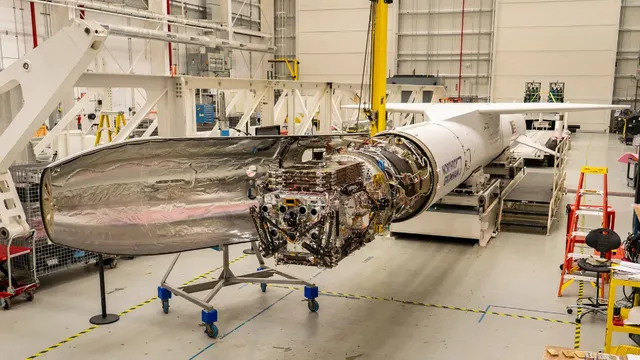
Katalyst Space’s LINK servicing satellite is being readied to chase down NASA’s ageing Swift telescope — which has dropped from 373 to 249 miles — and boost it back to a safe orbit.
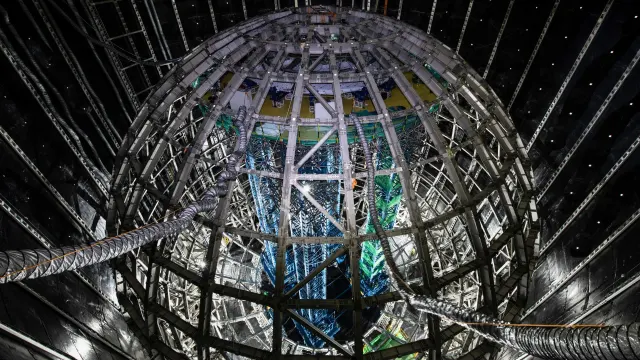
China’s JUNO observatory published its debut result as a Nature cover, using just 59 days of data to deliver some of the most precise measurements yet of how neutrinos change as they travel.
A new study finds the roots of language may lie not in special genes but in tiny regulatory “switches” — under 0.1% of the genome — some of which we share with Neanderthals.
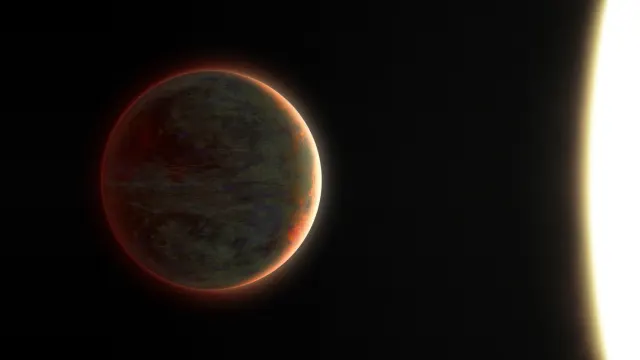
JWST measured the dawn and dusk edges of a scorching gas giant 858 light-years away and found them wildly different in temperature and chemistry — the clearest evidence yet of an asymmetric exoplanet atmosphere.
Kurzgesagt runs a thought experiment on replacing the Moon with another body — like Io or Titan — and whether ours is already the best fit.
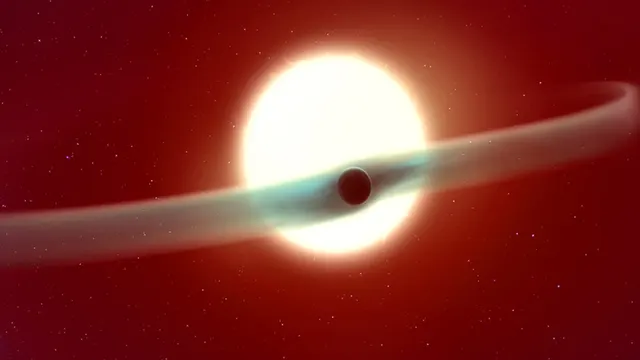
JWST watched WASP-121b bleed helium into space as two long tails during a near-complete orbit — the longest continuous detection of a planet losing its atmosphere, and a configuration current models can’t explain.
Veritasium uses a Galton board to show how individually random events produce a strikingly predictable pattern in aggregate.
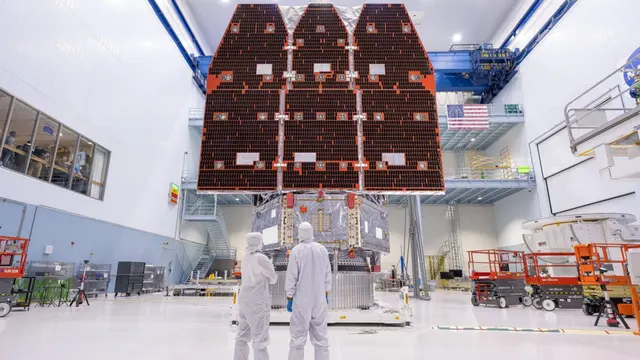
NASA’s next flagship observatory has finished assembly under budget and eight months ahead of schedule, with a Falcon Heavy launch now targeted for around September 2026.
PBS Space Time argues that advances in astronomy could overhaul how we hunt for extraterrestrial signals after decades of SETI without a confirmed detection.
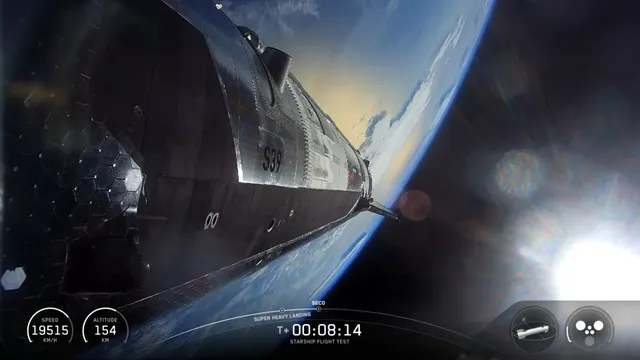
SpaceX opened Starship’s 2026 campaign with a clean suborbital test that deployed 20 dummy Starlink satellites before a controlled splashdown.
Physicists at Aalto University coupled a time crystal to a tiny mechanical oscillator and steered it — turning an exotic, perpetually-moving phase of matter into something controllable.
Researchers mapped over 2.3 million conserved regulatory “switches” across plant genomes — some more than 400 million years old — building an atlas that could aid future crop breeding.
17 articles · page 1 of 1