
The first primates may have evolved in the cold, not the tropics
A surprising new study suggests the earliest primates didn't originate in tropical forests but in cold, dry parts of North America.
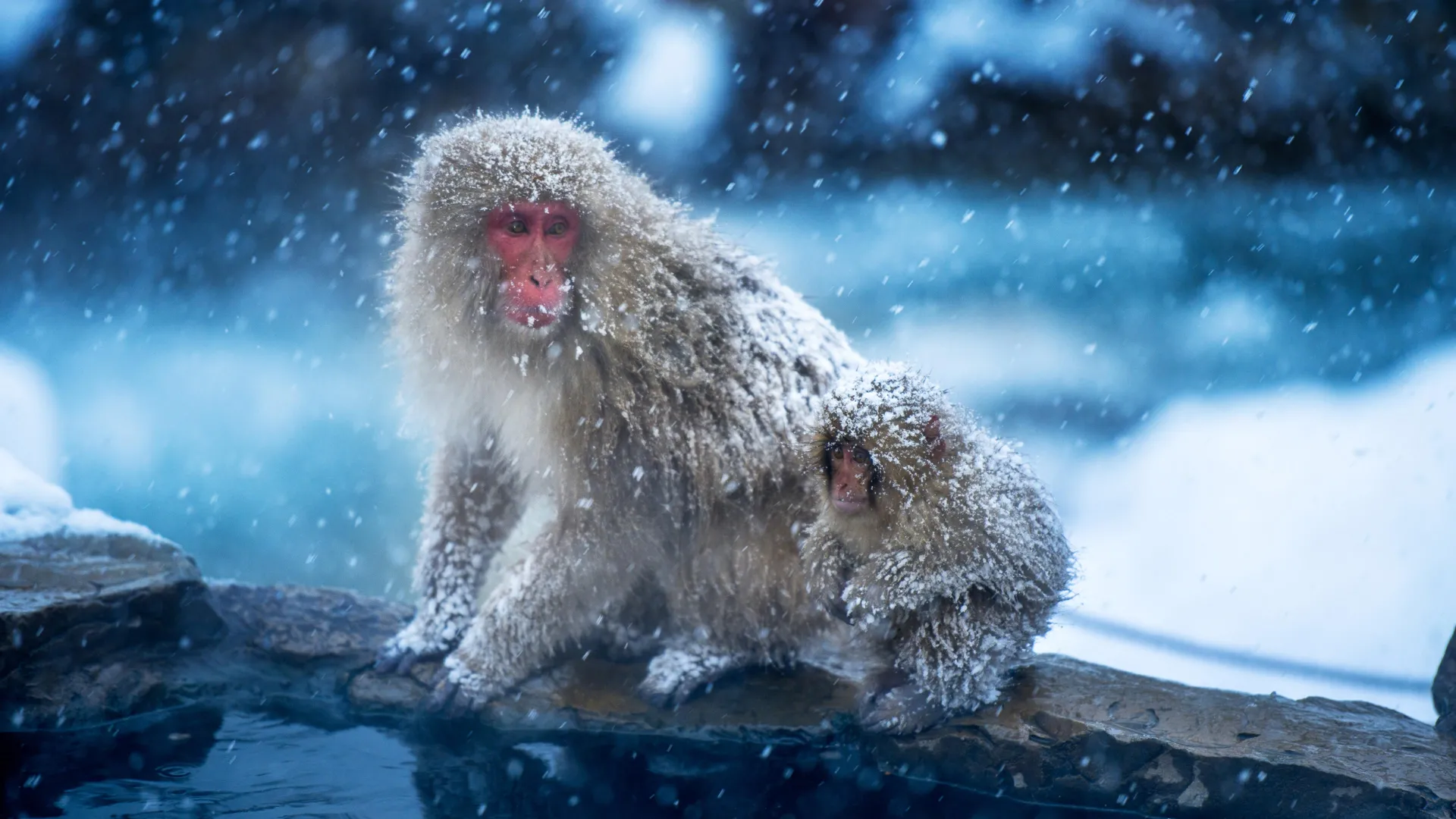
Forget the image of early primates swinging through lush tropical jungles. New research suggests our earliest ancestors actually braved the cold, dry landscapes of North America.
The short version
- Origin: Early primates evolved in cold, dry North America rather than the tropics.
- Adaptation: Some species may have survived Arctic conditions via hibernation or slowed metabolism.
- Evolutionary Driver: Rapid shifts between wet and dry climates, not warmth, drove primate expansion.
What happened
Using fossil spore and pollen data, researchers including Jorge Avaria-Llautureo discovered that early primates, such as the tiny 28-gram Teilhardina, originated in North America roughly 56 million years ago. These ancestors possessed fingernails for grasping and rapidly dispersed across Europe and China, only colonizing the tropics millions of years later.
Why it matters
This discovery overturns decades of assumptions about the primate lineage. It reveals that challenging, changeable environments favored highly mobile ancestors, a trait essential for survival. Understanding this evolutionary response to climate change is now crucial for conserving modern primates, who face extinction when habitat loss prevents them from moving and adapting to new environments.
Summary by Nerd News Network. Read the full article at ScienceDaily — Top Science via the links above and below.