
Scientists win 2026 Nobel Prize for controlling brain cells with light
A discovery in tiny algae led to a Nobel Prize-winning breakthrough that allows scientists to switch brain cells on and off using light.
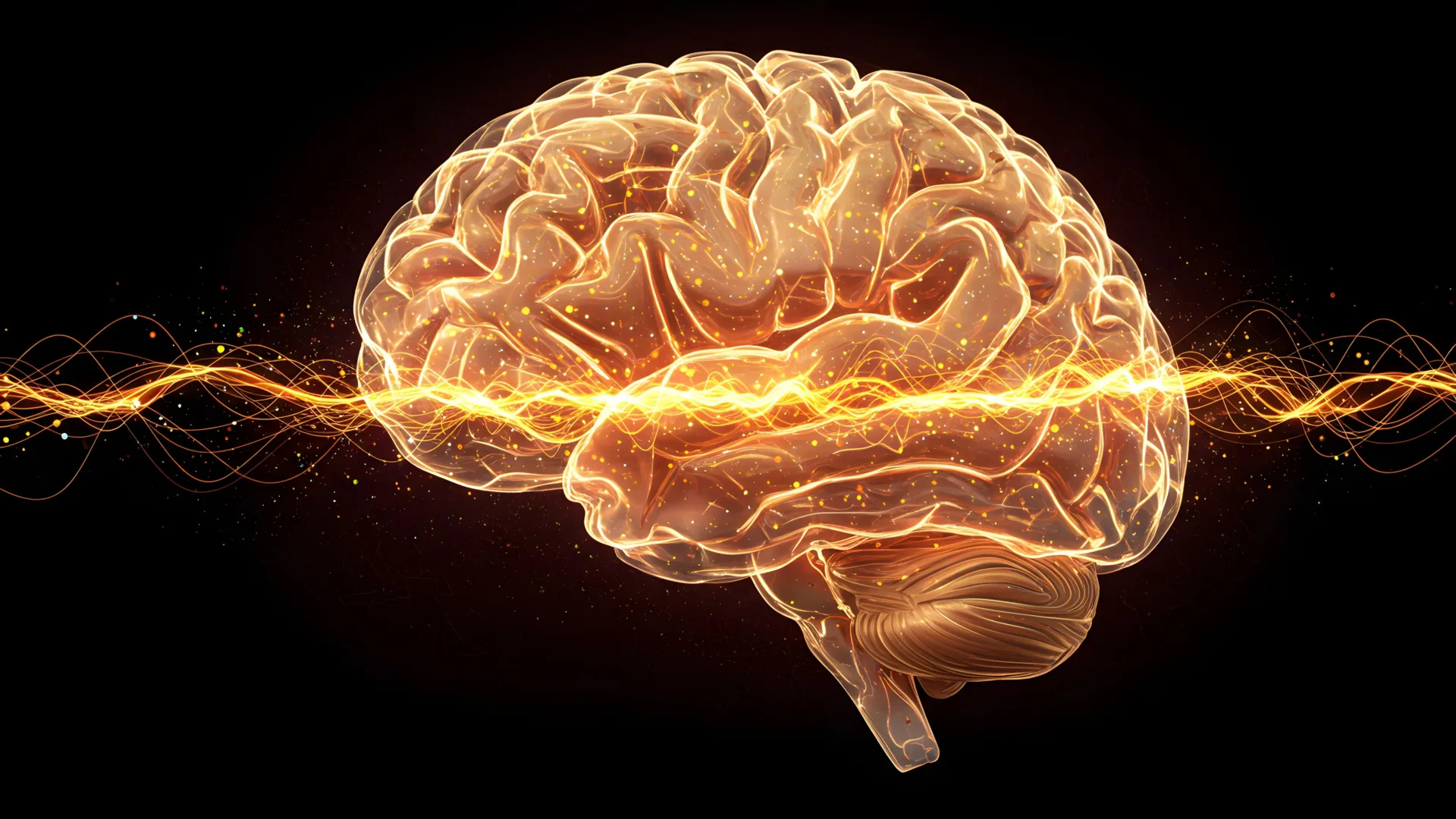
A discovery in tiny algae led to a Nobel Prize-winning breakthrough that allows scientists to switch brain cells on and off using light.
The short version
- The revolutionary technique has already helped researchers activate memories and is opening new possibilities for restoring vision and treating brain disorders.
- Scientists who worked out how to control brain cells with light have won this year’s Nobel prize in physiology or medicine.
- Channelrhodopsin is built into the outer membrane of the algal cell.
What happened
Part of the protein faces the water outside the cell and part faces the inside. The protein also contains a small molecule called retinaldehyde, which is able to absorb light.
Why it matters
When light hits the retinaldehyde inside channelrhodopsin, it changes shape.
Summary by Nerd News Network. Read the full article at ScienceDaily — Top Science via the links above and below.