
Scientists reverse liver cell aging and cut Alzheimer’s-linked protein in half
A surprising discovery suggests that rejuvenating the liver could help protect against Alzheimer’s disease and heart disease.
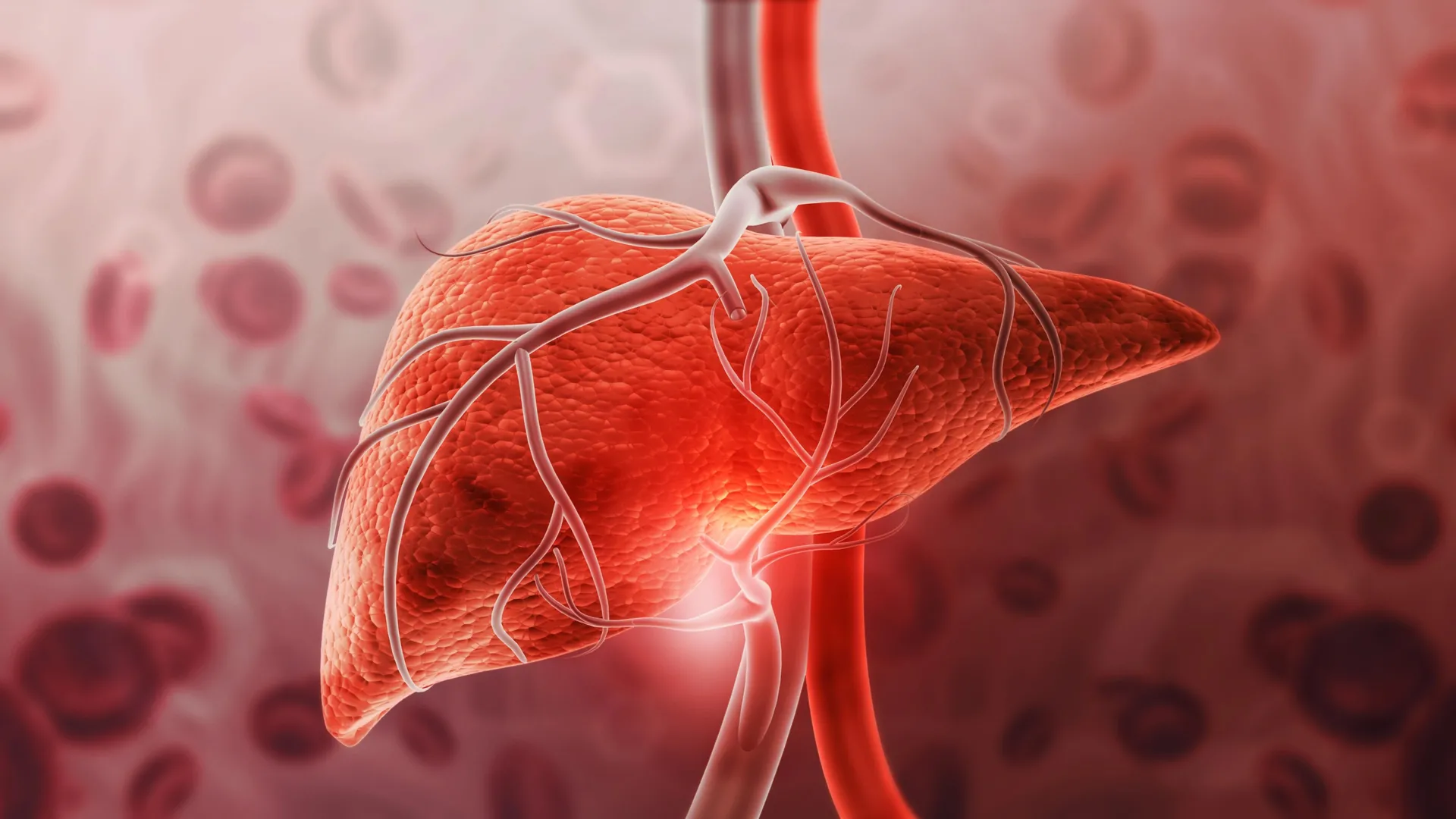
A surprising discovery suggests that rejuvenating the liver could help protect against Alzheimer’s disease and heart disease.
The short version
- USC researchers found that an experimental drug restored aging liver cells in rats, cutting levels of an Alzheimer’s-linked protein in half and bringing bad cholesterol down to youthful levels.
- The treatment also revived a previously unknown communication system that helps liver cells remove harmful substances from the bloodstream.
- The liver may hold an unexpected key to fighting two of the most serious diseases associated with aging: Alzheimer's disease and heart disease.
What happened
Scientists have discovered that restoring the function of aging liver cells can dramatically reduce harmful substances in the bloodstream, raising the possibility of treating diseases that affect organs far beyond the liver itself. In a new study involving older rats, researchers at the Keck School of Medicine of USC found that an experimental drug called cinaciguat reversed important signs of aging in specialized liver cells.
Why it matters
After just two weeks of treatment, levels of amyloid beta, a protein associated with Alzheimer's disease, dropped by half.
Summary by Nerd News Network. Read the full article at ScienceDaily — Top Science via the links above and below.