
Paleontology rocked by organic molecules found in 66-million-year-old dinosaur bones
Researchers have found strong evidence that original collagen can survive inside dinosaur fossils for tens of millions of years, overturning a long-standing assumption about fossilization.
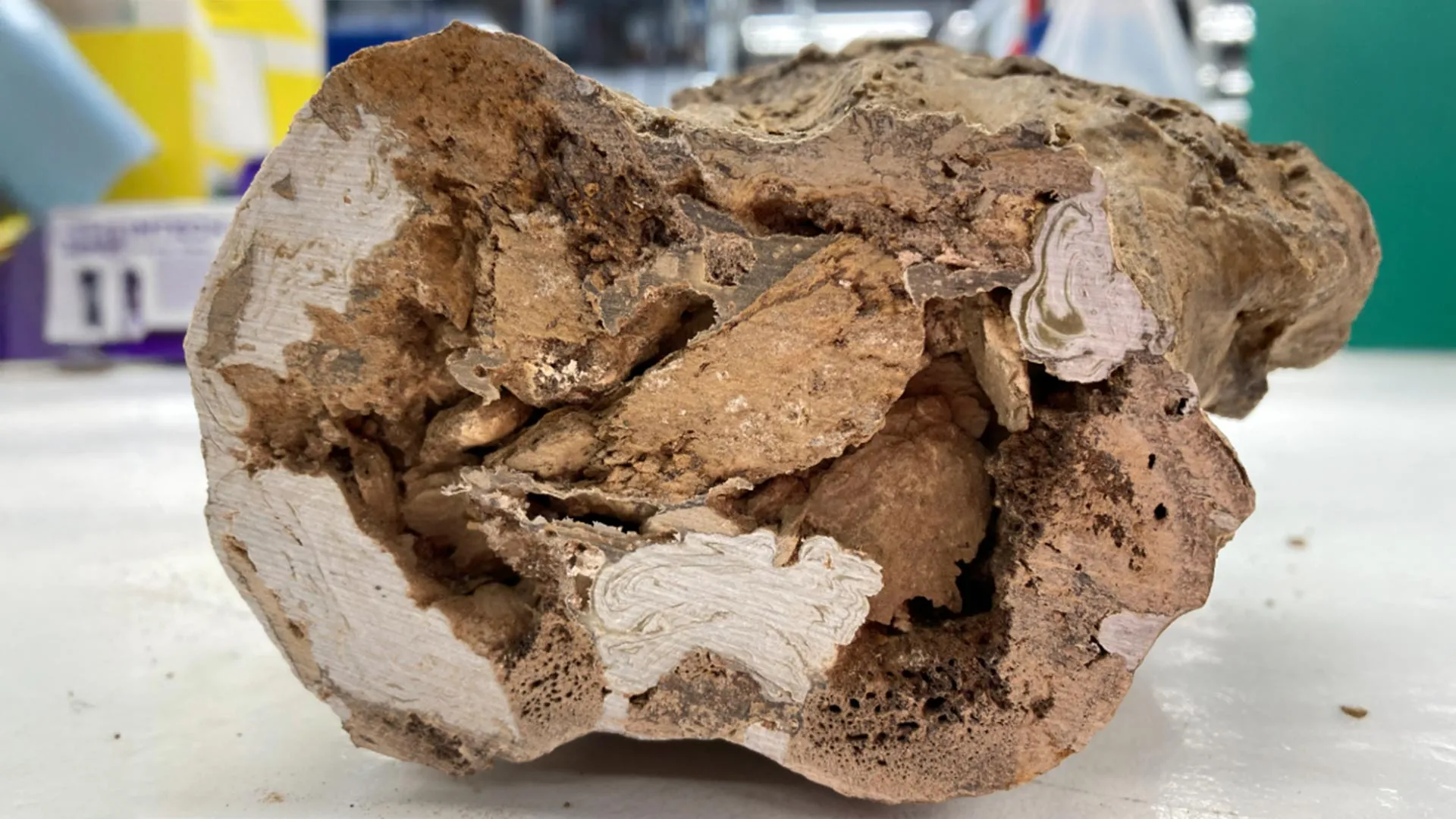
Researchers have found strong evidence that original collagen can survive inside dinosaur fossils for tens of millions of years, overturning a long-standing assumption about fossilization.
The short version
- The discovery could unlock hidden molecular clues about dinosaur biology, evolution, and how ancient proteins managed to survive for so long.
- For decades, scientists generally assumed that fossilization destroyed the original organic molecules once present in bones, teeth, and other tissues.
- Under that view, proteins and other biological materials were not expected to survive for tens of millions of years.
What happened
New research led by the University of Liverpool now provides strong evidence that some Mesozoic fossils, including dinosaur bones and teeth, can retain traces of those original organic materials. Using advanced analytical methods, researchers detected remnants of collagen in the hip bone of an Edmontosaurus , a duck billed dinosaur.
Why it matters
The finding adds important new evidence to a scientific debate that has continued for about 30 years.
Summary by Nerd News Network. Read the full article at ScienceDaily — Top Science via the links above and below.