
NASA-backed scientists turn plastic waste into edible cookies
Scientists have engineered yeast to turn PET plastic and agricultural waste into ingredients for protein-rich, 3D-printed cookies called µBites.
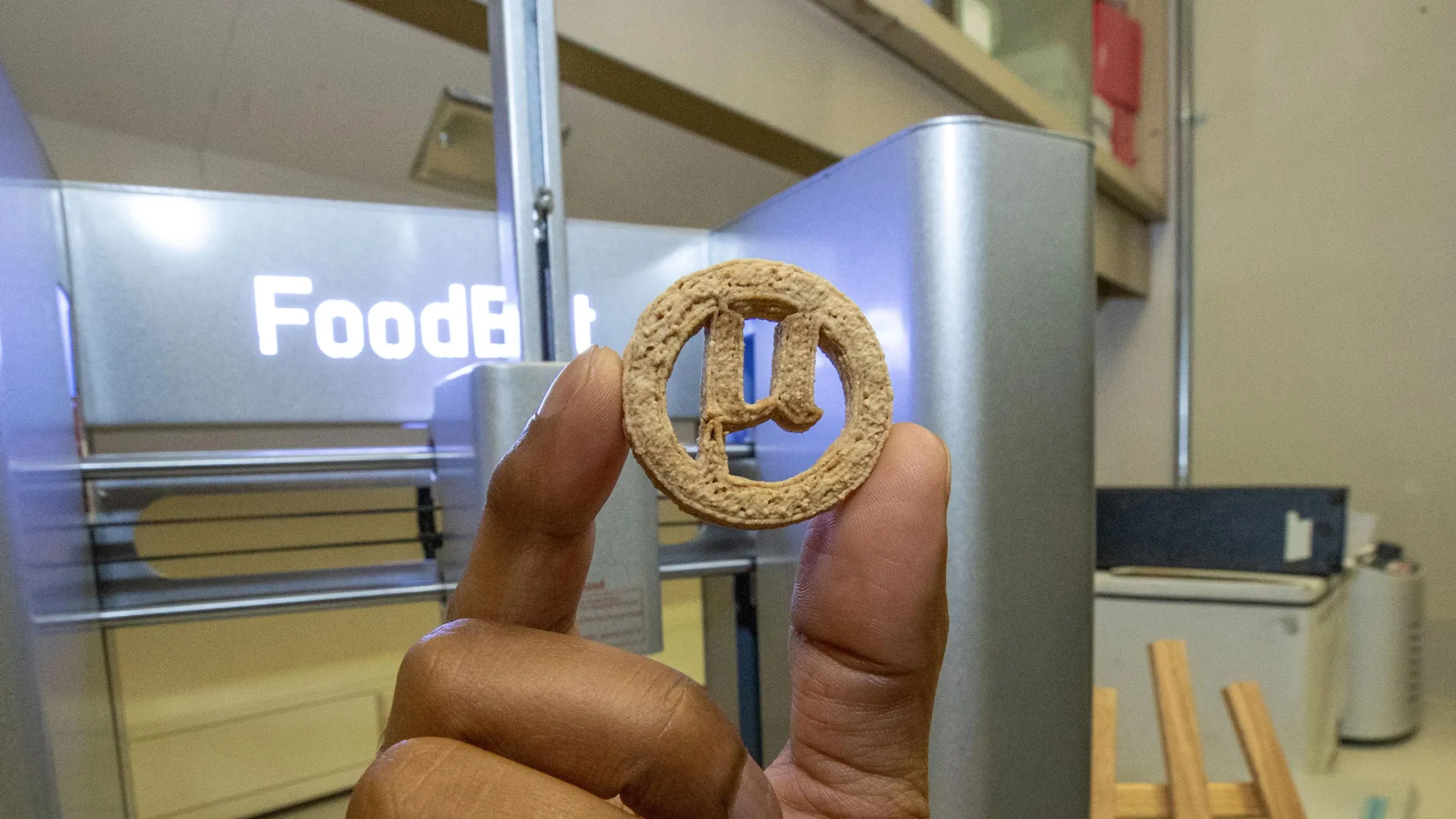
Scientists have engineered yeast to turn PET plastic and agricultural waste into ingredients for protein-rich, 3D-printed cookies called µBites.
The short version
- Developed partly for NASA’s Deep Space Food Challenge, the system can produce proteins, fats, vitamins, and even vanilla flavoring from waste materials.
- Researchers hope the unusual technology could eventually help address both plastic pollution and food insecurity, while also supplying food in extreme environments such as deep-space missions.
- The approach could provide a new way to reuse difficult waste while also helping produce food in places where conventional supplies are limited.
What happened
Potential applications range from disaster zones on Earth to human missions deep into space. The researchers presented their results at the fall meeting of the American Chemical Society (ACS) during the "Undergraduate and Graduate Research in Biochemistry and Chemical Biology" symposium at McCormick Place.
Why it matters
Their goal is to use microorganisms to convert waste materials into food that people can safely eat.
Summary by Nerd News Network. Read the full article at ScienceDaily — Top Science via the links above and below.