
D-Wave shows off its new entry in quantum computing race
Company noted for building quantum annealers now also making gate-based hardware.
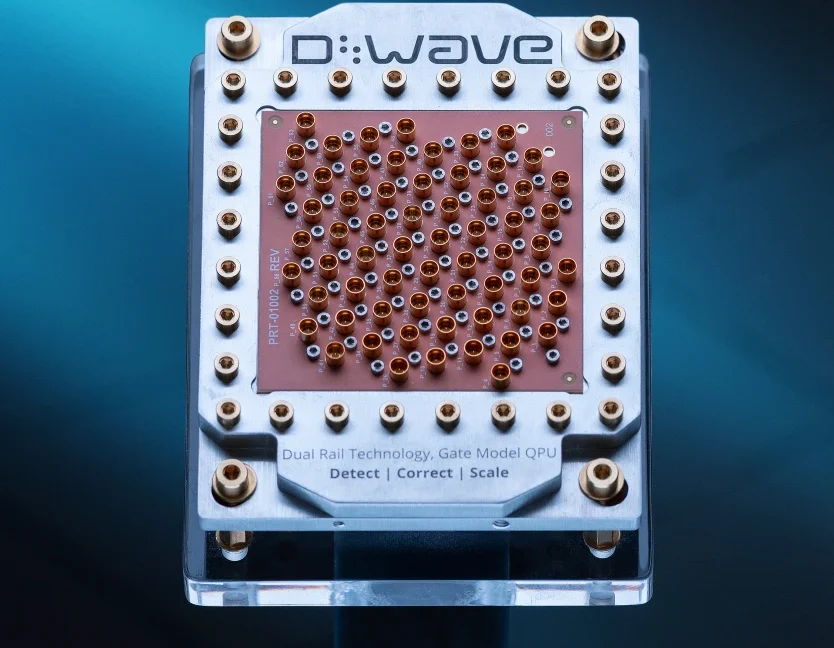
Company noted for building quantum annealers now also making gate-based hardware.
The short version
- But a few years back, D-Wave started working on gate-based hardware, apparently choosing a somewhat unusual qubit technology called fluxonium .
- On Wednesday, the company is publishing a paper in Nature that describes a key step in validating this dual-rail technology, showing that two of the qubits can be entangled without altering their best feature: Most are a single type that is easy to detect.
- The basic structure of a dual-rail qubit depends on making two linked resonators, which we’ll call left and right.
What happened
If you place a single photon in the system and measure it, it will always be in either the left or right resonator. But it’s possible to place that single photon in a superposition of both left and right.
Why it matters
Those are all the features you need to make a qubit.
Summary by Nerd News Network. Read the full article at Ars Technica via the links above and below.