
Controlling the brain with light earns a physiology Nobel
The entire field of optogenetics traces back to light-seeking algae.
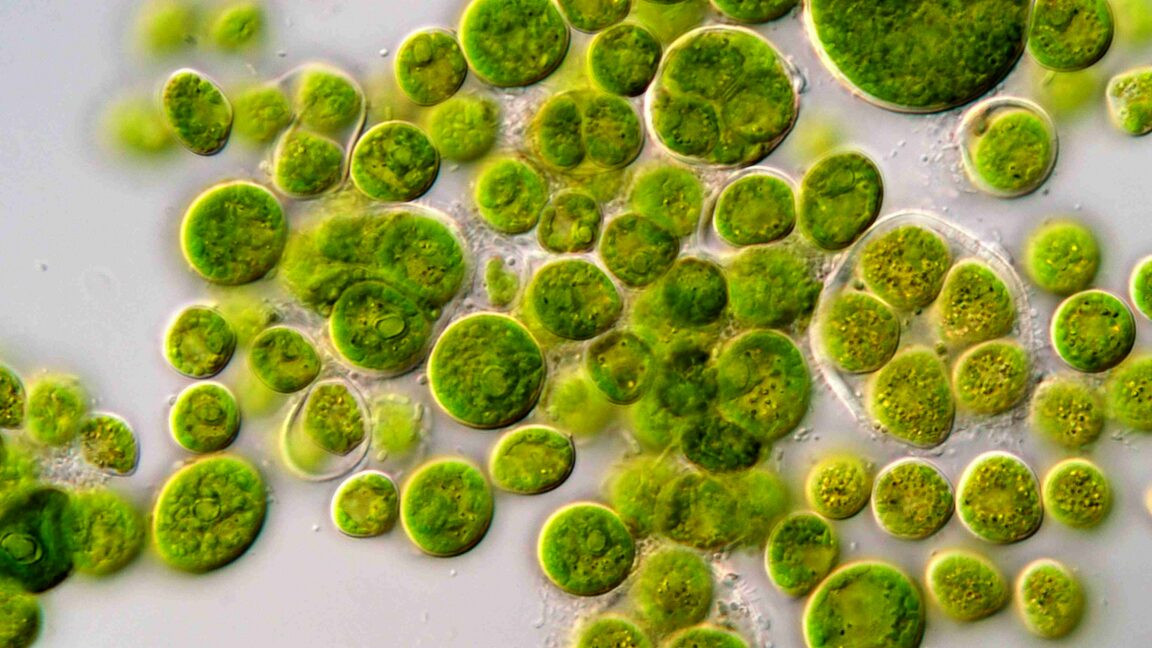
The entire field of optogenetics traces back to light-seeking algae.
The short version
- The brain is flexible enough to potentially adapt to the loss of some cells, and their loss early in development may alter the development of any neurons they would have normally formed connections with.
- It would be far more informative to activate and shut down the neurons in an otherwise intact brain.
- Today’s Nobel Prize in Physiology or Medicine rewards three people—Karl Deisseroth, Peter Hegemann and Georg Nagel—who developed our ability to do precisely that.
What happened
Nerve impulses are generated by proteins called ion channels, which sit in the membrane and allow charged atoms to cross it. The nervous system uses a population of ion channels that are only active under specific circumstances, like when they sense a neurotransmitter or experience voltage changes.
Why it matters
It’s this fine level of control that allows specialized nerve cells to send impulses only under specific circumstances, keeping the brain from descending into a haze of electrical noise.
Summary by Nerd News Network. Read the full article at Ars Technica via the links above and below.